
As companies scale, their data needs evolve quickly as well. What once worked as a reporting dashboard may no longer support making complex decisions, enabling cross-group collaboration and getting real-time answers to business issues. In 2026, many businesses have started exploring Power BI alternatives, as they outgrow static dashboards, manual data prep, or analyst bottlenecks.
What is PowerBI?
Power BI is a business intelligence tool developed by Microsoft that allows businesses and organizations visualize data, develop interactive information displays, and generate reports. This tool can connect with many data sources, convert unorganized data into a structured format, and also assist organizations in monitoring KPIs through charts, graphs, and other visualizations.
Power BI is a widely popular tool for operational reports and performance monitoring, especially for organizations that are already operating in the Microsoft ecosystem.
The Rise of Conversational Analytics
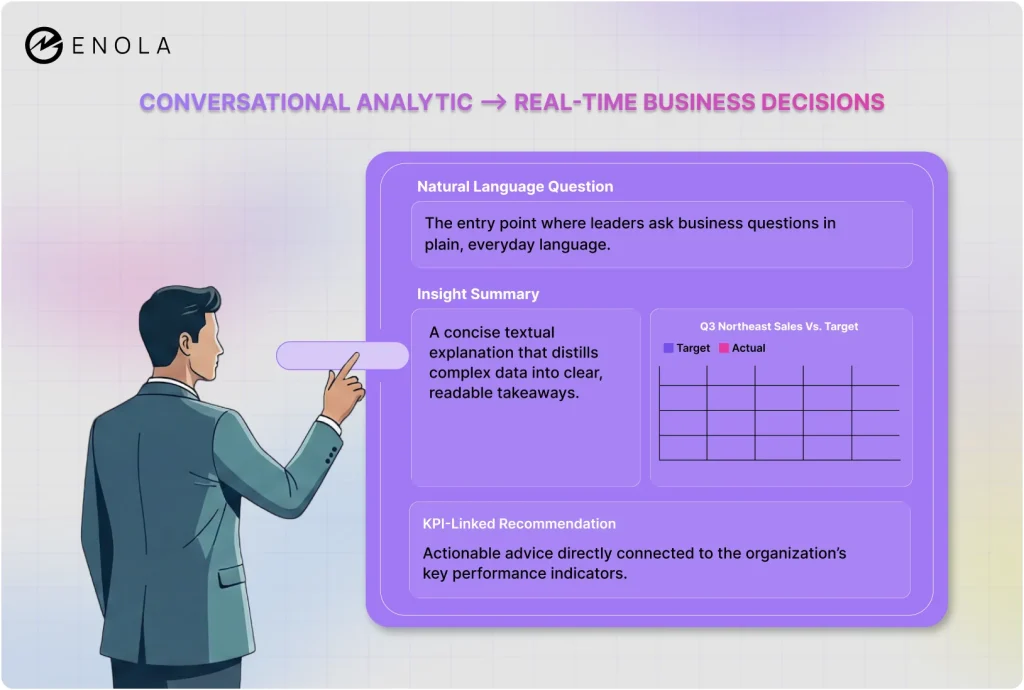
One of the significant limitations of tools such as Power BI is the fact that they still require users to interact with the dashboard or have an understanding of the data structures.
This is where conversational analytics comes in. So, instead of having to interact with the dashboard, leaders can now ask the following questions:
– Why is customer churn rising last quarter?
– What marketing channel has the best CAC efficiency?
– What is driving the variance in revenue this month?
The system understands the intent, executes the appropriate warehouse queries, and provides contextual, actionable insights.
Today, various alternatives to Power BI similar tools have emerged in the market with a variety of approaches. Let us look at some of the popular options available and what makes each one suitable for growing businesses.
Tableau
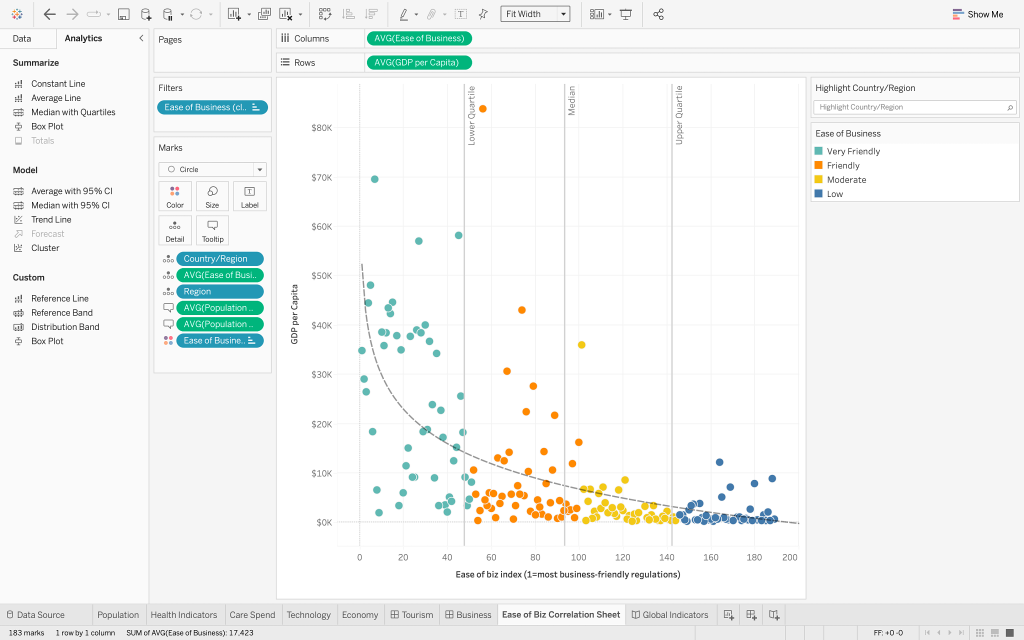
Among the most widely-known tools like Power BI, Tableau is known for its advanced capabilities for generating data visualizations as well as interactive dashboards. It is highly flexible when it comes to creating tailored visual reports from large amounts of data.
Tableau also offers visual storytelling capabilities and deeper customization. However, it still relies heavily on analysts or trained users to build dashboards and maintain data models.
Looker
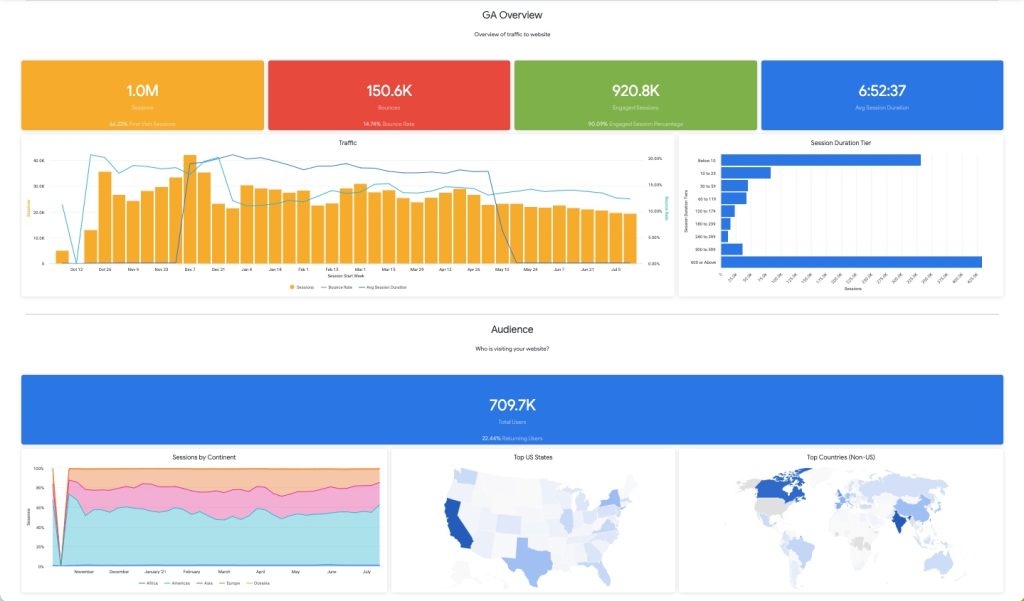
Looker, currently part of Google Cloud, operates by focusing on the governed data model and centralized metric definitions. This allows businesses to create a consistent semantic layer across teams.
Looker has structured data analytics while also providing solid integration with data warehouses; however, creating and maintaining LookML models will typically require technical expertise, which can sometimes slow down the speed of agile decision-making.
Qlik Sense
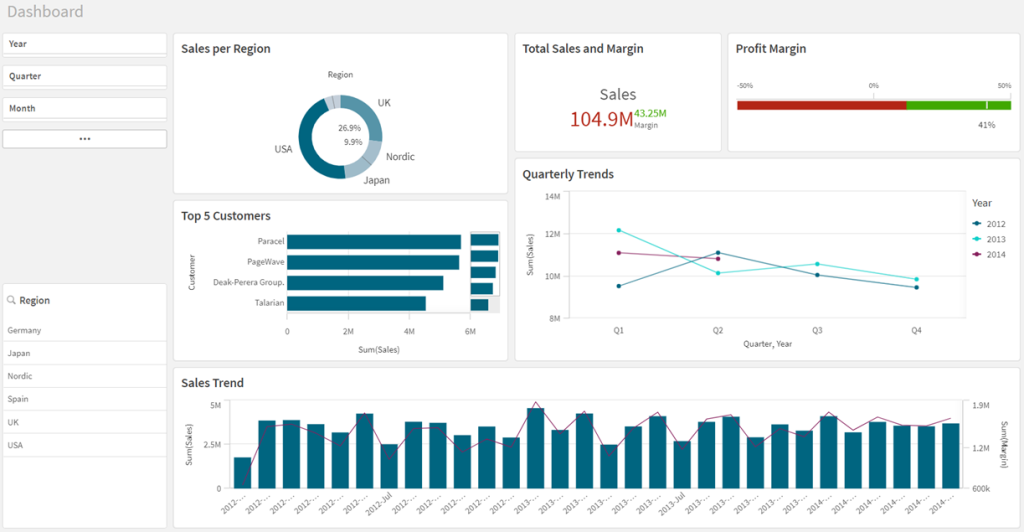
Qlik Sense has a unique associative data engine that allows users to explore any data freely without any predefined query paths. This makes Qlik Sense a popular tool for performing exploratory analysis.
As part of the broader Power BI competition, Qlik Sense is a powerful tool but some users may find the tool complex for businesses that want fast answers without navigating dashboards or learning new logic systems.
Sisense
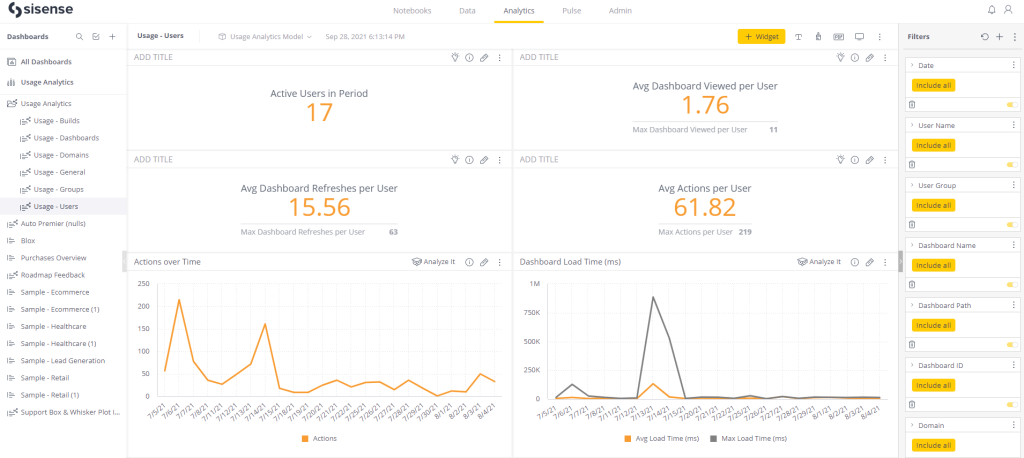
Sisense is designed for embedding analytics into applications and workflows, particularly in environments where product teams need analytic capability embedded in their customer-facing platforms.
Though Sisense is used primarily for external-facing decision-making, internally, the focus is still upon dashboard-style reports and development-driven customization.
ThoughtSpot
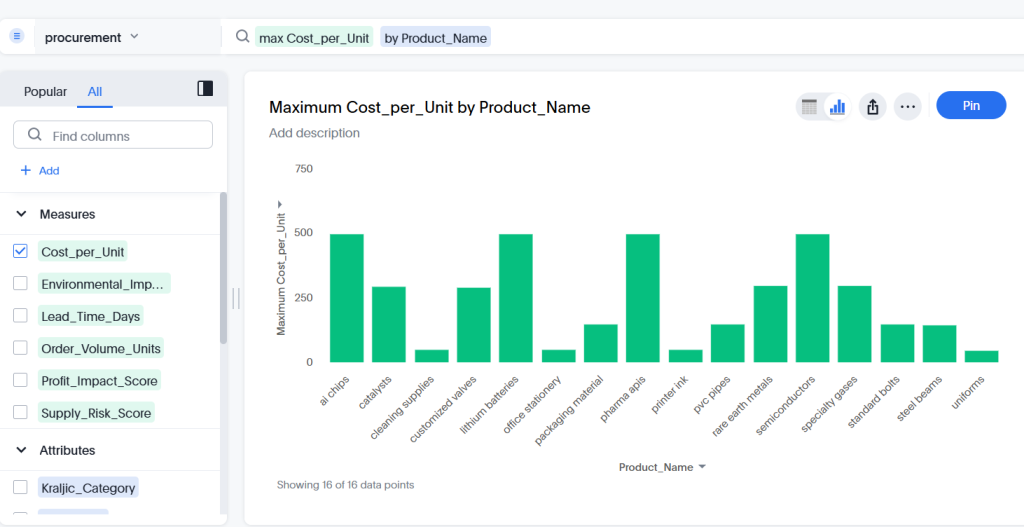
ThoughtSpot introduced search-based analytics to business intelligence, letting users simply ask a question and receive a chart or some analytics-based information.
Among microsoft Power BI competitors, ThoughtSpot comes closer to natural language interaction. However, its effectiveness depends heavily on how well the data model is structured and maintained. Without strong governance, search results can vary in relevance.
AskEnola
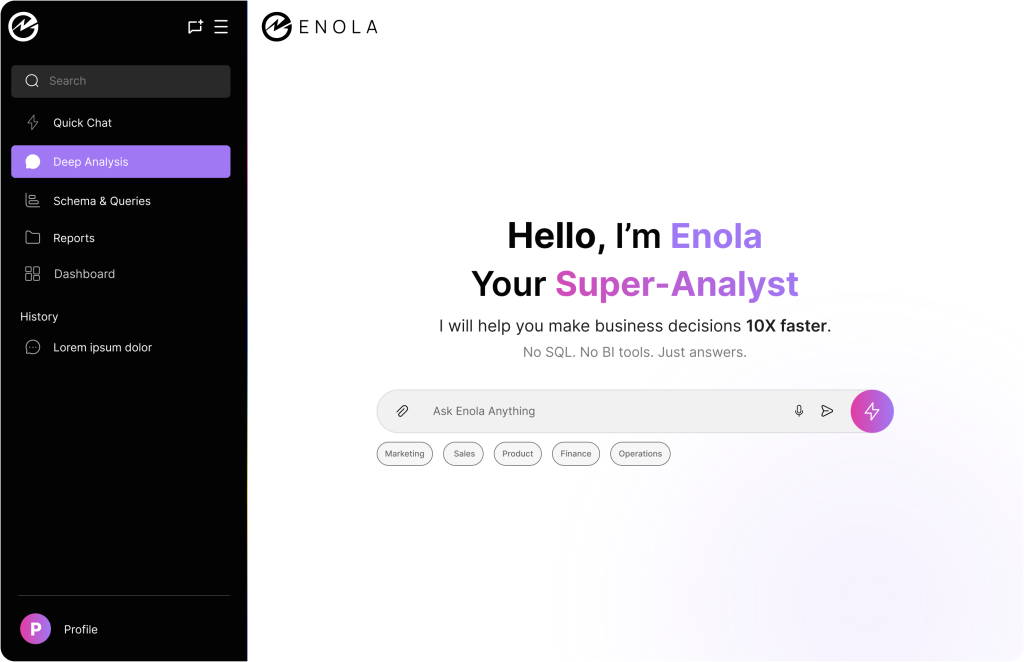
As an alternative to traditional BI platforms, AskEnola is emerging as a powerful choice for growing, data-rich organizations. Rather than having to navigate through dashboards or a pre-defined report, AskEnola enables users ask complicated questions of the data using simple language, and then immediately receive detailed, relevant insights that are related to KPIs and business results.
AskEnola is designed specifically for high-growth or data-driven teams. It connects securely to modern data warehouses and has a specialized BADIR™ framework. This ensures explainable, reliable insights without analysts or SQL. The result is faster decision-making, minimal analyst dependency, and business-goal-first clarity that scaling teams can rely on.
What Growing Businesses Should Actually Look For
When looking for a Power BI Alternative for analytic solutions, growing organizations should consider whether the tool is likely to meet their needs based upon a few key elements:
– Does the application allow users to reduce their dependency on data analysts?
– Are users able to ask complex queries directly?
– Do insight generation capabilities tie into business goals and KPI’s?
– Can the analytic tools run analytic queries directly in the warehouse without moving any data?
– Is the analytic tool enterprise-ready and secure?
Previously, BI tools had been designed around providing the ability to report information. Today, innovative growth organizations require a decision intelligence approach to analytic reporting processes. Instead of waiting in a queue or for a ticket for a response to a question, growing innovation businesses require the right responses instantly.
Choosing the Right Path Forward
There are many viable options available in the analytics space today. Some of these options, such as Tableau, Looker, Qlik Sense, Sisense, Thoughtspot, Domo, etc., are strong alternatives to Power BI depending on your internal structure and business goals.
But as a growing business, it is important to look beyond the replacement of one dashboarding tool with another. Ask yourself a simple question: Do you want better dashboards, or better decisions?
If you are a growing business, dealing with a huge volume of data, and making critical decisions on a daily basis, the right platform must speed up decision-making, not add more complexity to it.
Related Blog: