Business intelligence tools have moved beyond just providing dashboards and reporting. In fact, in 2026, the best business intelligence tools in the industry are defined by how fast and accurately they can deliver answers to support decision-making. Today, the top business intelligence tools are defined not just by visualizations, but by how quickly and reliably they help leaders make decisions. Below is a closer look at the platforms shaping modern BI in 2026.
What Defines Modern BI in 2026
What growing businesses expect from the most popular business intelligence software has shifted. It’s no longer just about the visualizations provided. What modern businesses expect from business intelligence tools includes the following:
- Natural language querying
- Near real-time answers
- KPI-aligned insights
- Governance without complexity
- Minimal analyst dependency
For growing businesses, especially those evaluating business intelligence tools for startups, speed and ease of use are crucial factors. Traditional BI tools require a tremendous amount of effort for setup and maintenance. Modern BI platforms need to deliver clarity without technical bottlenecks.
1. AskEnola
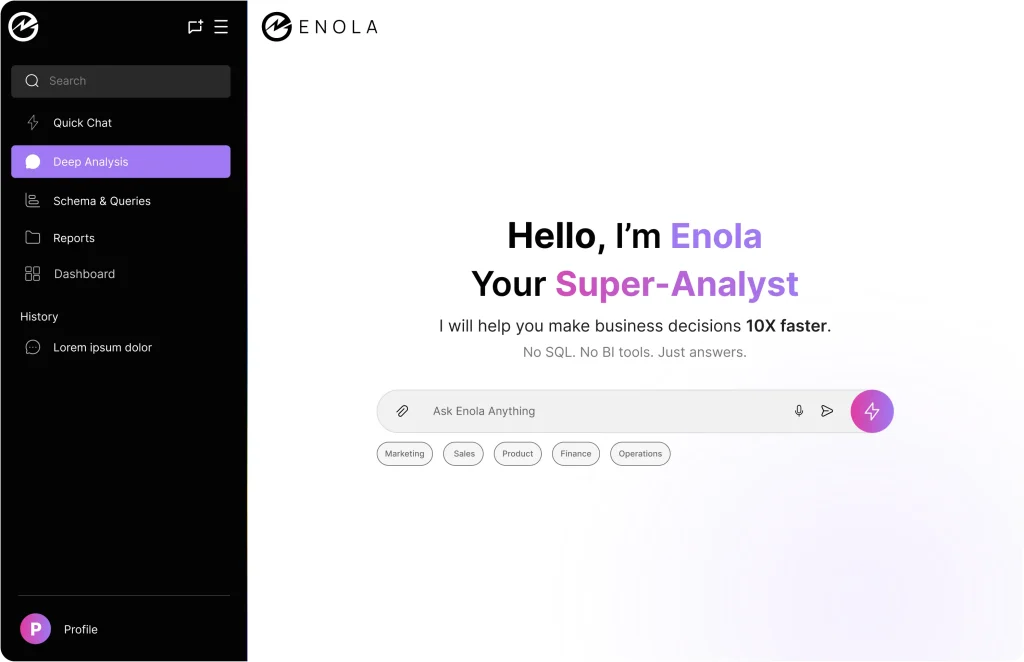
Unlike traditional business intelligence solutions, AskEnola is an AI-powered Super-Analyst. Executives can ask complex business questions using everyday language, and the solution provides contextual, KPI-based answers instantly. There is no need for writing any SQL code, nor are there any pre-built dashboards.
AskEnola integrates with the latest modern cloud-based data warehouses, such as Snowflake, BigQuery, Redshift, Azure, and Databricks. Designed for founders, CXOs, product managers, marketing heads, revenue operations, and finance teams, providing them with the best decision speed and accuracy. AskEnola’s proprietary BADIR™ framework ensures that every query is analyzed using hypothesis-based analysis, precise data extraction, and actionable results.
2. Microsoft Power BI
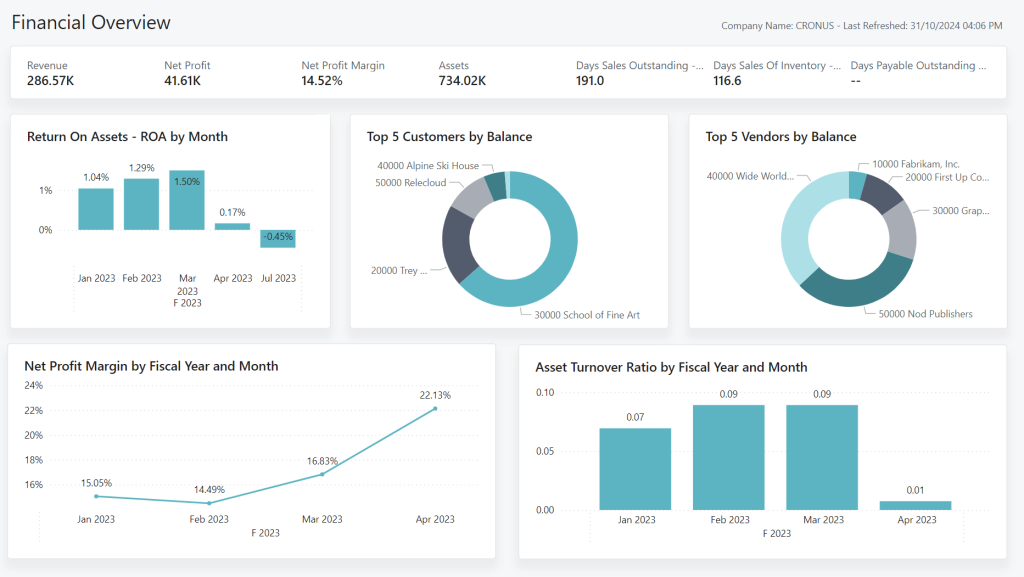
Microsoft Power BI ranks among the most popular BI tools in the industry. In fact, this BI tool integrates well with other Microsoft products. Some of the reasons why organizations prefer using this tool include:
- Deep integration with other Microsoft tools like Excel, Azure, and Microsoft 365
- Customization of dashboards
- Strong visualization tools
However, this tool still relies heavily on dashboards and modeling. For complex analysis, SQL knowledge and data teams are often required, which can slow decision cycles.
Related Blog:
3. Tableau
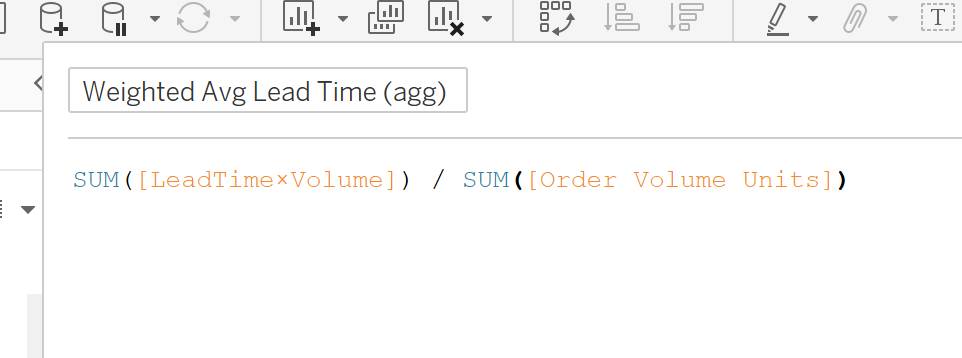
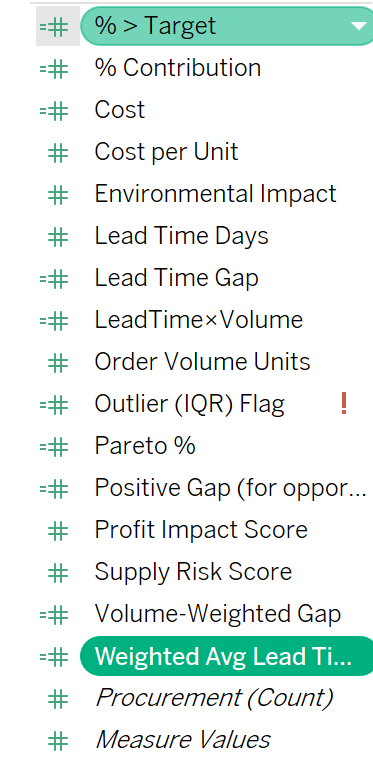
Tableau is one of the leading tools in business analytics because of its strong visual analytics and ease of use.
Key features:
- Advanced Visual Storytelling
- Drag-and-drop exploration
- Huge community and ecosystem
However, it too is based on dashboards as a means of delivery, and business users have to rely on analysts to design the right dashboard, which can limit self-service.
Related Blog:
4. Looker
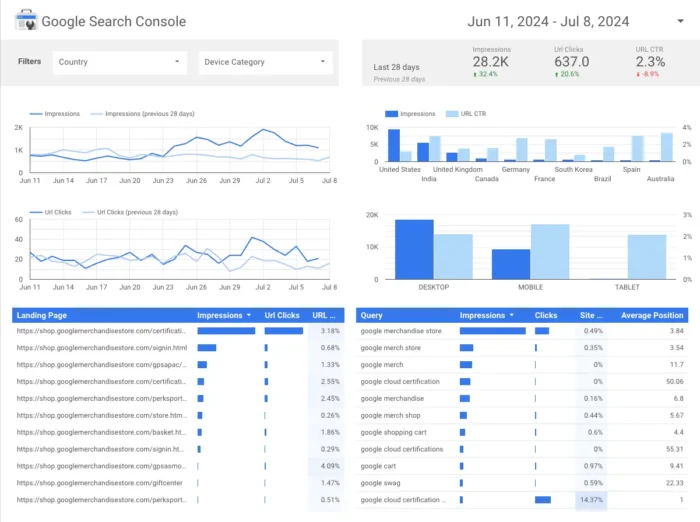
Looker, a Google Cloud company, is based on a semantic model using LookML. It is often selected as the best business intelligence software for organizations that want:
- Strong governance
- Centralized data definitions
- Tight integration with Google Cloud
Looker is a good choice for data-driven companies, but it does require technical expertise to set up, and metric modeling can get complicated.
5. Qlik Sense

Qlik Sense sets itself apart with its associative data engine, which enables users to explore their data relationships. Qlik Sense supports embedded analytics and guided dashboards.
Businesses consider Qlik Sense among the best in business analytics tools because of:
- Flexible data exploration
- Strong enterprise deployment
- Embedded analytics
However, just like other traditional BI tools, Qlik Sense still requires structured dashboard development and data modeling.
6. ThoughtSpot
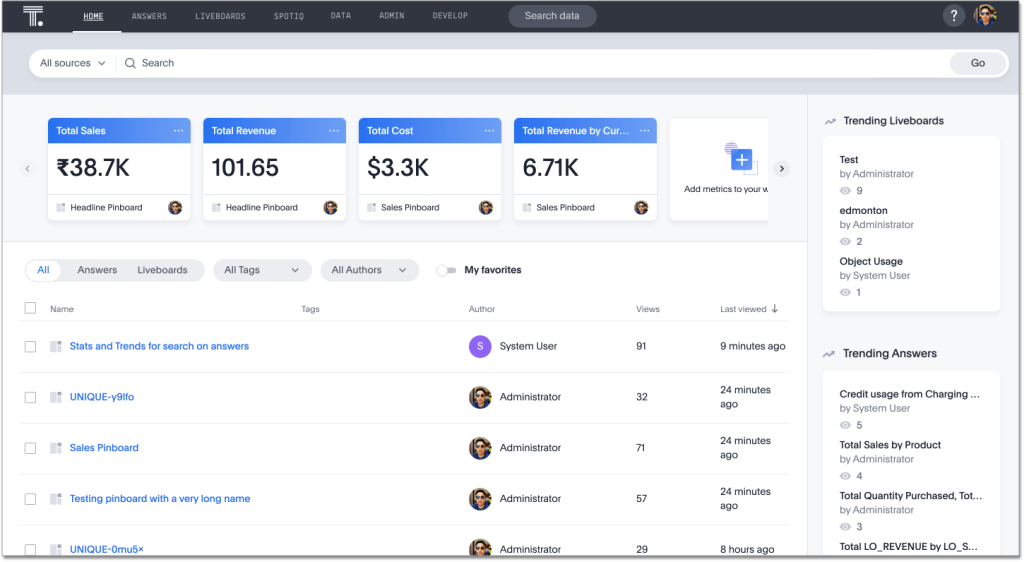
ThoughtSpot is a search and AI-based analytics platform that is used for data exploration and is accessible to everyone in the organization. It is one of the most popular business intelligence software used by organizations that need to provide a platform for self-service without relying on dashboards.
Key Features:
- Instant insights through search-based querying
- AI-based analytics and recommendations
- Embedded analytics for customer-facing products
Semantic modeling and governance are a must for enterprises to use this effectively.
Related Blog:
7. Domo
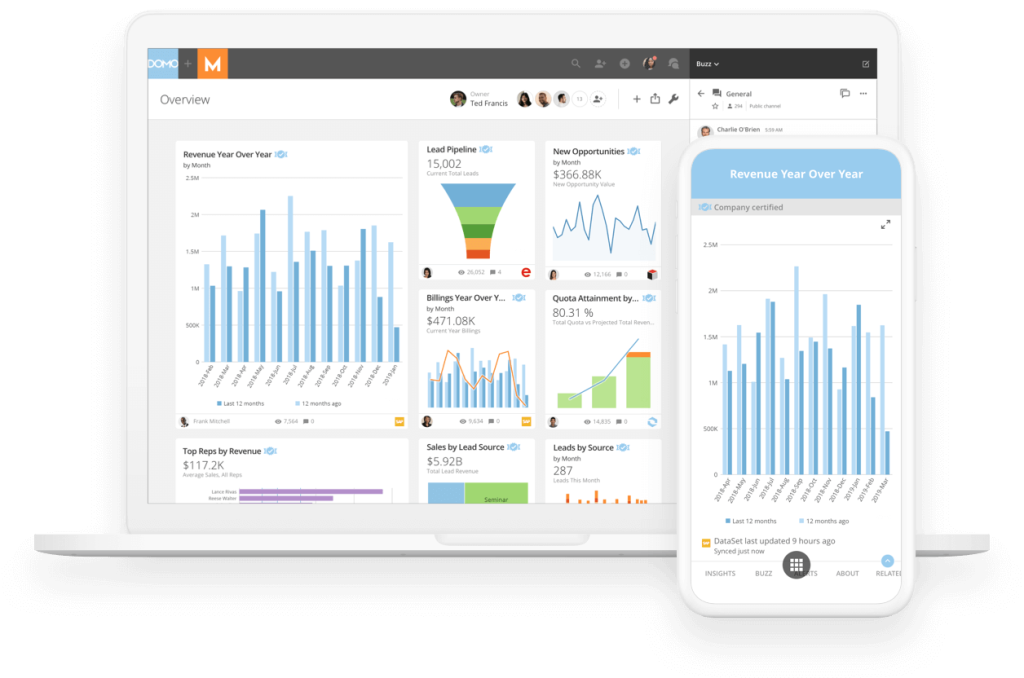
Domo is a cloud-based business intelligence platform that combines data integration, business intelligence, and workflow automation in a single platform. This allows real-time business intelligence to be accessible to everyone in the organization.
Key Features:
- Real-time data ingestion and alerts
- Unified platform for analytics and operational workflows
- Mobile-first reporting and collaboration
Domo is one of the most popular business intelligence tools used by organizations that need to have real-time metrics and collaboration.
8. Sisense
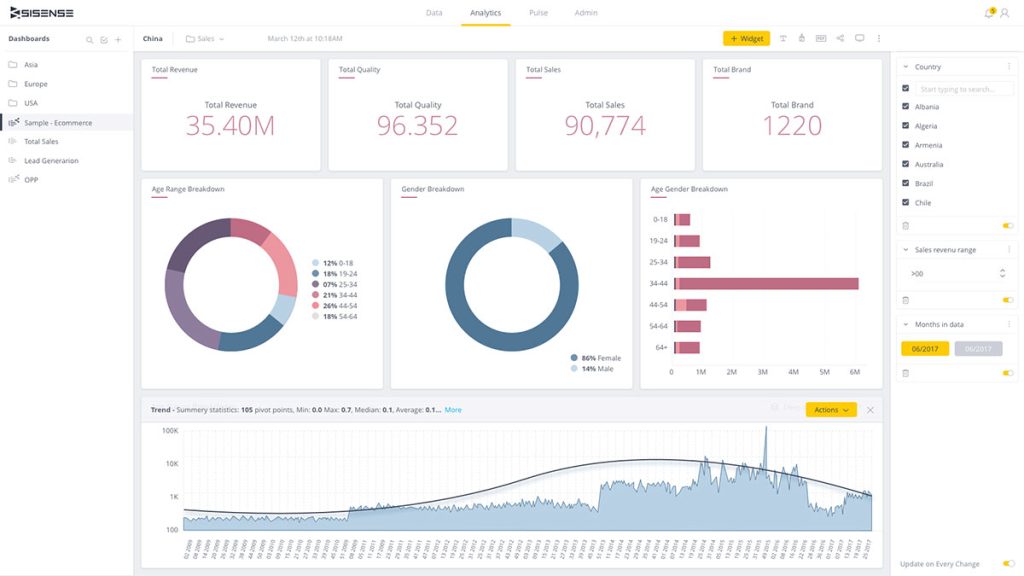
Sisense is often used by product-driven and SaaS-based organizations looking to embed analytics into their products. It is often recommended as one of the best business intelligence tools for startups because of:
- Embedded analytics support
- Scalability with product growth
- Flexible deployment
Sisense is often chosen by product-driven and SaaS companies looking to embed analytics into their applications. It offers strong data pipeline capabilities and customization options.
Choosing the Right Tool for Your Organization
Selecting from the top business intelligence tools depends on your organization’s stage and priorities.
- Strong data teams within enterprises may prefer structured models like Microsoft Power BI or Google Looker.
- Organizations that develop products and embed analytics into the software may choose either Sisense or Qlik Sense.
- Data-rich organizations with high growth rates seek AI-driven conversational platforms to speed up decision making by their executive teams.
The right choice depends on how critical speed, governance, and self-service are to your strategy.
The Future of Business Intelligence
In 2026, business intelligence is no longer about building dashboards, but about speeding up decisions. The best business intelligence software is no longer about the number of charts it can produce, but about the number of business-critical questions it can answer reliably.
When organizations consider the top business analytics tools, they should think about more than just the features of the tool, but also the impact it can have. Speed, trust, security, and decision clarity.
As conversational AI continues to progress, it will continue to move towards a world of business intelligence platforms that focus on business goals first and analysis second.
The future of business intelligence belongs to tools that remove friction between data and decisions.
Related Blog: